Saturday, 5 November 2016

HAIR STRAIGHT TIPS AT HOME FOR GIRLS

They say the grass is always greener on the other side, and nowhere is that truer than in the world of curly vs straight hair debates. Girls with curly hair always envy the girls with poker straight hair and vice versa. Usually, transforming wavy hair into straighter flatter hair involves the copious use of flat irons and hair dryers, heat treatments which often damage the hair. But if you’re looking for a straight, sleek ‘do sans the hair damage - we’ve got you the 5 best tips.

1. Banding: Maushmi Dhawan, Owner of Beautiful Secret Studio, Pune says, "Banding is one of the most successful and traditional methods of straightening hair without heat. You basically need to divide your hair (while still damp) with the help of rollers. Secure your hair to your head, using bobby pins, and then wrap the length of your hair around your head and continue to secure with bobby pins. Finally wrap your hair with the help of a silk cloth to reduce frizz and make sure it stays in place.

2. DIY Straightening Mask: Hair masks will change your hair game forever. Now whether you choose to apply a store bought or homemade hair mask, use it once a week for a few months to see results.
  • Milk and Egg: Soak your hair in a mix of 2 cups milk plus 1 egg for 10 minutes, then squeeze the liquid (do NOT rinse). Wrap with a plastic cover for another 30 minutes, then wash and brush dry.
  • Honey and Milk: “Mix 1 cup milk with 1 tablespoon honey and let it soak into your hair and scalp for 1 hour before washing out”, advises Makeup Artist Aakriti Kochar.
  • Lemon Juice and Coconut Milk: Heat 1 cup coconut milk, 5-6 tablespoons lemon juice, 2 tablespoons oil and 3 tablespoons cornstarch at low temperature, until smooth. Cool the mixture and then apply to hair. Wash after 30-45 minutes and brush dry. Tip: “You can add a few drops of coconut oil or almond oil to tame frizz”, adds Aakriti Kochar.



3. Brush Until It Dries: After washing your hair, simply comb it while it’s wet. Let it air dry completely, but keep brushing it every 5 minutes and you’re good to go. The constant brushing will keep it from curling up as it normally does.
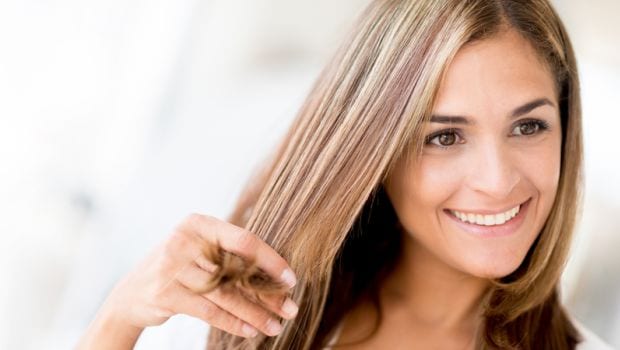


4. Use The Right Products: Start with the right shampoo and conditioner, meant for straightening hair. And try to get out as much moisture as possible, after washing your hair. You can apply a smoothing cream or a use a leave-in conditioner or a serum or oil, depending on your hair type. It helps fight frizz and gives you beautiful smooth straight hair.
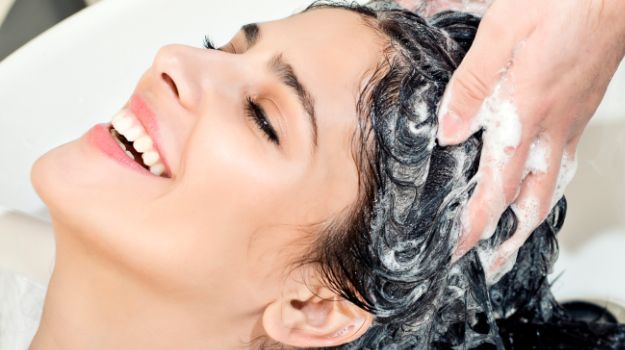
5. Twist Hair Into a Bun: If you already have fairly straight-ish hair to begin with, this method will definitely work for you. Delhi-based Makeup Artist Aakriti Kochar suggests, “Tie wet hair into a bun and secure with a rubber band. Let it air dry completely and then brush your hair”.

8 Basic Rules for Maintaining Your Beautiful Figure

1. HEALTHY EATING

Healthy eating is a good rule for everyone, and it´s an especially smart rule to follow if you´ve spent a lot of effort in getting into shape.
You´re not going to keep your figure if you undo all your good work by indulging in fatty foods!
Stick to a healthy eating plan and you´ll help yourself stay in shape.

2. EXERCISE

Exercise is one of the most important ways to keep your figure.
There is something to suit every lifestyle and interest.
Incorporating regular exercise into your week helps you to stay fit and in shape.
Try swimming, dancing, or cycling for a fun form of fitness.

3. SENSIBLE CALORIE INTAKE

Do remember that it´s important to maintain a sensible calorie intake.
That doesn´t just mean not consuming too many calories, it also means consuming enough.
Starving yourself of calories won´t mean that you maintain your figure, it will make you look gaunt and unhealthy – as well as deprive you of essential nutrients.

4. REGULAR WORKOUTS

If your desired figure is one that is toned, then you´ll need to take regular workouts to maintain it.
This takes quite a lot of work, so is only for the truly dedicated.
You´ll need to include a variety of exercises in your workout, so that every part of your body gets included.

5. EAT ENOUGH

As I said above, eating enough is as important as not eating too much.
Not everyone is meant to be skinny – in fact, most women don´t fall into the naturally thin category.
It´s far more important to be healthy, so if your natural shape is not thin, then make the most of what you were given.

6. EAT ONLY WHEN HUNGRY

A good way to maintain your figure is to make sure that you only eat when you´re actually hungry.
We often eat because we are bored, nervous, or because something looks good.
Wait instead until you actually need food, and avoid snacking.

7. SMALLER PORTIONS

Portion control is a sensible way to avoid consuming too much and putting on weight.
This doesn´t, of course, mean eating tiny amounts that wouldn´t keep a flea alive.
It means not putting huge portions of everything on your plate, which is a sure way to get out of shape!

8. REALISTIC

Above all, be realistic about what your natural shape is.
It´s easy to gain weight, and carrying too many pounds isn´t healthy, but don´t try to be something you´re not.
If you go against what you´re meant to be, it´s bound to be impossible to maintain that shape.
There are lots of ways to maintain your figure, but it´s very important to be sensible about it.
Going to extremes is not sensible and could even make you ill.
It certainly won´t look attractive.
What do you do to keep your figure – or do you find it just not worth worrying about?

HOW TO CHOOSE A RIGHT PARTNER

Selecting the right life partner is necessary to lead a happy married life. Here's how you can select your perfect one

There are many factors that one needs to consider when choosing a life partner. The most important aspect is to consider things that are crucial to you.

Find someone who you can connect with easily
It is very important to choose somebody who you can easily strike a conversation with. This way, you can enjoy doing things and talking about them together without getting bored.

Potential partner with same interests
Selecting someone who shares a lot of common interests with you will work in your favour. Remember that all your interests don't really have to be the same, but some would do. Says clinical psychologist and relationship expert Seema Hingorrany, "When you decide to spend your life with someone, you must look at things that the two of you would love to do together. For example, if you are a movie buff, you would ideally like to be with someone who enjoys movies as well. This will make your life interesting."

Consider your partner's intellect
If you are a laid-back person and your partner is an over-achiever, that could lead to a threat in your marriage. You must see eye to eye on how both of you are able to think and process things.

It's okay to have standards
While choosing a life partner, you need to consider your and your family's standards. Though it's okay to choose someone who probably does not belong to the same strata of society as yours, make sure that he/she's not completely off the mark.

BEST HAIR CARE TIPS

We all know at least one woman in our lives with perfectly groomed, non-frizzy, salon-worthy hair that could have bounced straight out of a L'Oréal commercial. She's the one who gets up early to blow-dry her hair, applies regular leave-in treatments, wet combs rather than tears through her locks and won't be caught dead straightening her barnet to within a dry crisp of its life.
Much as we admire her (and slightly resent her), we could never be this woman. Our lives are too chaotic and busy and we treasure our lie-ins too much. But there are a few simple steps we can shoehorn into our daily routine to improve the well-being of our locks.
We've rounded up the top five hair care commandments that experts from around the world are agreed on. From washing your hair two or three times a week to brushing from the bottom up and blow-drying from a distance, these are the tips and tricks employed by a stream of leading hair stylists and celebrity colourists; a holy grail of hair rules, if you will.
No matter what your hair type, check out the following simple do's and don'ts for healthier, happier and more manageable tresses and banish bad hair days forever...

1. Wash your hair two to three times a week, max

How often should you wash your hair? It's the perennial question of the hair industry and but experts seem to agree that cutting back is a good thing - and washing every day is a mistake, no matter how much you might crave clean-feeling locks.
"Your hair's natural oils are designed to condition and protect your tresses, so when you shampoo daily, it strips these vital oils away," explains New York-based hair stylist Dan Sharp, whose clients include Kate Winslet, Hilary Swank and Charlize Theron.
"It creates a vicious cycle of over-production of oils and a need to shampoo very often. Ideally, to keep your hair healthy, you only need to wash two to three times a week, max."
Don't overwash coloured hair
This is especially true for coloured hair, which can lose its sheen quickly with too much washing.
"The biggest mistake people make is over-washing coloured hair," says colourist Tracey Cunningham, the woman behind Gwyneth Paltrow’s icy blonde hue.
"Buy a good-quality shampoo – Pureology ones are great – and wash it every few days using styling products in between to keep it looking fresh."
"I shampoo just once or twice a week," agrees Naomi Watts' hair stylist Marie Robinson. "Don't shampoo daily. Simply rinse and condition the hair every other day as shampoo can wash out the colour."
Take into account your hair type and lifestyle choices
Of course, how often you need to wash your locks also depends on the type of hair you have.
"Your hairdresser can advise how often you should be washing – it depends on how active your scalp is in producing oil," says Tom Gallagher, creative director at the award-winning Oribe Hair Care.
"The curlier your hair is, the longer you can go between washes," explains dermatologist Dr. Doris Day. "The straighter it is, the faster the oil wicks down, so that can make it oilier faster. If you have superstraight hair, you may not be able to go more than two days without washing."
And lifestyle choices like going to the gym may also affect how often you shampoo your tresses. But even here, there are ways of cutting back - you could try simply rinsing your hair rather than adding in shampoo.
"You may not be able to imagine not washing your hair after a workout (we totally get that), but you can can always rinse out sweat without shampooing," says hair stylist Kerrie Urban. "A water-only rinse will remove salt and sweat without stripping hair oils."
Invest in some good dry shampoo
And finally if you're aiming to scale back the amount of times you wash your hair per week, remember dry shampoo is your friend.
"Use dry shampoo instead of washing your hair every day. It will help reduce the oil build up in your hair and gives amazing texture," says stylist Mark Townsend, who tends to Reese Witherspoon's hair. "You can also leave dry shampoo in (instead of brushing it out) to give volume."
"As opposed to washing your hair every day, dry shampoo will help to refresh your hair at the roots and the tips whilst helping you to retain all the essential moisture your hair needs," agrees hair visionary Luke Hersheson of the Hershesons empire.

2. Avoid hot showers and shampoo your scalp, not your roots

Come shampoo time, many of us reach for a large dollop of the good stuff to scrunch into our hair; but there's a technique to good hair washing and overdoing things on the product front will do more harm than good.
"Healthy, beautiful, shiny hair starts in the shower so make sure to use the right shampoo and conditioner for your hair type and level of damage," says Mark Townsend.
"The volume of shampoo you should use depends on the length and thickness of your hair, but a blob the size of a 20p coin is a good start," says Michael Lendon, advanced creative director at Aveda. "Longer hair needs a 50p-size dollop."
Aim for the scalp not the ends
It's not just how much shampoo you use, but where you apply it that counts.
"Use shampoo on the scalp only - not on the ends of your hair. The shampoo will rinse down in the shower, but you don’t want to scrub the ends," says Kerrie Urban.
Massage your scalp to encourage circulation
"Giving your head an invigorating massage as you shampoo is a good way to encourage blood circulation and helps to detoxify the scalp," notes Aveda's Michael Lendon.
Oribe's Tom Gallagher agrees: "Having strong, healthy hair is the best way to make any hair look expensive. A lot of it is about properly shampooing and conditioning and taking care of your scalp - massage it well while washing to get circulation going."
Avoid hot water
"Cool off in the shower," says Brian Phillips, founder of Canada's World Salon. "Blasting your scalp with extremely hot water will dry out your hair and create tangles that could result in breakage."

3. Towel-dry your hair before applying conditioner

What conditioner you use and how you use it is, if anything, more important than the shampoo stage. Make sure you invest in a few good quality conditioners and leave-in treatments or hair masks, especially if you have coloured hair.
"Invest in your colour at home," says stylist Tracey Cunningham. "Gwyneth’s hair is in such good condition because she regularly uses at-home treatments. People are cheap with what they use on hair but don’t treat their cashmere jumper that way."
Good conditioner is also crucial when it comes to thick, curly hair.
"For curly, highly textured hair, always deep condition," says celebrity hair stylist Ted Gibson, who tends to Lupita Nyong'o's hair. "No two minute conditioners here. Deep conditioning involves a conditioner that will add moisture and strength (protein) back to hair. You should use heat by either applying conditioner to hair while taking a shower and let it sit while showering or by covering the hair with a plastic cap and applying heat from an outside like a hair dryer.
"I believe it’s important to use leave-in conditioners and also not to shampoo it so often. Rinse it if you want to but don’t necessarily shampoo it."
Gently towel-dry the hair before applying conditioner
"Make sure you towel-dry hair after shampooing and before you apply conditioner: excess water in your hair means the conditioner won't be able to penetrate the hair shaft and deliver the necessary moisture to keep hair looking healthy and shiny," advises industry legend Charles Worthington.
If you're short on time, at least squeeze out excess water - "hair that’s saturated with water doesn’t have room to absorb anything else," he says.
Avoid the roots and concentrate on the ends
"Try not to put the conditioner on the roots, because that can cause your scalp to get greasy faster," says stylist Kerrie Urban.
It's also a good idea to think ahead and anticipate situations where your hair might dry out.
"While you exercise, you perspire, which means that your hair gets damp with sweat that can actually make it dry," says famed LA-based hair styling talent Andy LeCompte. "Before you hit the gym (especially during the summer, but this works year-round too) wet your hair and add in some conditioner from the mid-lengths to the ends. Rinse out the conditioner post-workout and you’ll be left with shiny, hydrated hair."
"Avoiding too much sun helps too," notes colourist Marie Robinson, on the topic of hydrated hair.

4. Brush your hair twice a day, from the bottom up

Healthy hair needs regular brushing but don't tear through your locks mindlessly.
"For perfectly shiny, healthy and untangled hair, you need to brush your hair twice a day, " says stylist Laura Superbi of iconic French hair salon Jean Louis David. "Once in the morning and once before going to bed, for about a minute each time."
"Don't be rough with your hair: treat it nicely and it will repay you by looking healthy and shiny," cautions Michael Lendon of Aveda.
Comb wet hair, don't brush it
"When your hair is soaking wet, it is weaker, fragile and more susceptible to breakage," says NewBeauty editor Anna Jimenez. "Try not to rough-dry hair with a towel, and instead gently press the water out. Also, do not brush your hair while it is wet. Use a wide-tooth comb, working from the ends of your hair on up."
Brush from the bottom up
"Brushing from the roots causes damage – always brush from the bottom and work up," advises Tracey Cunningham.
Use different brushes for blow-dying and styling
"At home, you should have a round brush for blow-drying, a Mason Pearson brush for styling and a tail comb to move hair around a little," says celebrated hair stylist and darling of the fashion world, Guido Palau.
Keep your brushes clean
According to Anna Jimenez, "Filthy hair brushes that are covered in hair, oil and product build-up are breeding grounds for bacteria. Clean them at least once a month with a mixture of baking soda and lukewarm water. A toothbrush will help you to get into all those tiny bristles."
Laura Superbi is of a similar mind: "To make sure your hairbrush lasts, look after it. Do this by regularly removing all of the hair that gets stuck in the brush. Clean once a month with warm water and a small amount of shampoo."

5. Use a low-heat setting for hairdrying and point the nozzle down, not side-on

As a general rule of thumb, one of the worst things you can do for your hair is overheat it with excessive blow drying. If you want to avoid dry and damaged locks, you need to either rein in how often you use a hairdryer or pay attention to how you're using it and take care to apply heat protection products beforehand.
Cut back on heat-styling tools
"Don't use heat-styling tools daily. Flat irons, curling irons and even blow drying can damage the hair shaft. Damaged hair is not able to retain colour the way that healthy hair can," says colourist Marie Robinson.
"I almost never blow-dry my hair or use hot tools," she adds. "I usually apply Oribe Dry Texturizing Spray, go to bed with damp hair, and wake up with waves."
You can also bypass hot tools by multitasking your hair style, as celebrity stylist Dan Sharp explains:
"Styling doesn’t always have to involve a hot tool. If you give yourself a fierce blowout on Monday, rock it out on Tuesday and on Wed do a fab high ponytail. Making your style last a few days will really help prevent damage."
Use protective treatments
Hair guru Nicky Clarke recommends "always using protective styling products before blow-drying.
"Add a pea-size amount of Nicky Clarke Instant Calmer from the mid-levels to the ends of your hair to seal in moisture and smooth the cuticles down before you head out into the cold," he says.
"Do use leave-in treatments to blow dry your hair, it will protect and moisturise your hair every day," says Alex Brownsell of hip UK hair label Bleach.
"Always use a heat-protector spray, such as Aveda's Brilliant Damage Control spray (£16 RRP)," adds Michael Lendon of Aveda.
Wait before blow-drying your hair and use lower heat settings
"Try not to blow-dry your hair immediately after shampooing," says Anna Jimenez. "Ideally, you should allow your hair to first dry for 15 minutes under a towel turban. This saves effort and also cuts down on the hair exposure to the blow-dryer.
"If at all possible, don't use the high heat settings of your blow-dryer. The air stream should feel comfortable on the back of your hand."
Keep the dryer at a distance your hair
"You should always be careful with heat, but this is especially true if your hair is thinning. Keep the hairdryer nozzle two inches away from your hair," says Michael Lendon.
"The nozzle should be pointed straight down, about three inches away from the hair, which, admittedly, isn't easy to do yourself," explains Julia Robert's hair stylist Serge Normant. "Most people come at their heads from the side, which makes hair frizzy and staticky by pushing it all over the place."
Move your hair around
You need a bit of movement for the ideal blow-dry, as hair care expert Harry Josh explains:
"The perfect the at-home blow-out- it’s not as hard as it sounds. Start by flipping your head upside down, and shake your hair around while you blow-dry - the more you move, the more volume you’ll get. Once it’s about 80 percent dry, flip back up and blow-dry hair in sections to smooth, focusing on polished ends. The last three inches are key: Move your brush and dryer right down to the very end of the strands and take your time. It will make all the difference."
Schwarzkopf air stylist Armin Morbach notes: "You should keep the blow-dryer moving constantly to avoid applying too much heat in a single spot. We recommend dividing the hair in several portions and securing the strands with large hair clips or grips.
"Work your way up blow-drying your hair from the neckline to the crown of your head so that you don't hit the same strand of hair multiple times."
Nicky Clarke adds, "Whilst blast drying your hair, for more fullness, remove the nozzle and direct the dryer towards the roots whilst lifting hair away. To keep hair flatter, use a nozzle to follow the shape of your head and move your hair around with a comb."

6. Try castor oil, hair oil and dry shampoo

Every hair stylist has a secret arsenal of favourite products to give your hair that extra dose of va-va-voom. Here, some of the world's leading experts share their star formulas...
Stylist Andy LeCompte is a big fan of hair oil: "Just like applying facial oil can help regulate oil production on your skin, hair oil can do the same for your scalp. There’s no need to go crazy with applying oil, but don’t be afraid to use oil if you have oily hair. It’ll actually help to regulate how oily your scalp is, because your hair won’t feel as though it needs to naturally overcompensate for dryness."
Guido Palau can't get enough of hairspray:
"Hairspray is to hair what salt and pepper are to food. Once sprayed, you’re finished.
"Yes, it can be sticky and overwhelming, but find a medium-hold hairspray to start with and spray it into your hands and then run your hands through your hair to smooth down the frizz.
"You need a bit of hairspray for any updo you are trying to achieve, so just start lightly with the spray."
Celebrity stylist Serge Normant is an advocate of castor oil:
"With a tiny drop of castor oil plus dry shampoo, hair has a two-days-after-shampooing feel. It's also a great, nourishing scalp conditioner, especially for African-American hair, which can be thin and brittle.
"I mostly use it on shoots, though, applying it very sparingly as an allover pomade to give extra shine under the lights."
And as for Daniel Galvin, he plumps for good old Kerastase: "The Kerastase Chroma Reflect Masque is a fantastic way to keep your hair nourished and to maintain the colour for longer."

10 Natural Ways To Maintain Beautiful, Youthful Skin


There may not be a fountain of youth, but the food we eat and how we treat ourselves can prevent or even reverse aging. Your body needs the right nutrients to fight off damage, and your skin is no different. Nutrients help the cells replicate and have more energy. Processed foods, stress, toxins and low-nutrient diets will accelerate aging. Protecting yourself from harmful chemicals while getting enough sleep, relaxation and exercise will all help you maintain a healthy glow. 

1. Drink plenty of water. 

Even with a small amount of dehydration, your body functions in a less optimal way. The instant you're dehydrated, it will take a toll on your skin, causing it to look dull, flaky, saggy and loose.

2. Eat foods with antioxidants. 

Antioxidants are the best resources your body has to fight disease and aging by reducing damage and inflammation. Inflammation is a leading cause of wrinkle formation. Some of the best sources of antioxidants include:
  • Blueberries
  • Pomegranates
  • Acai berries
  • Goji berries
  • Spinach
  • Raspberries
  • Nuts
  • Seeds 
  • Purple grapes
  • Dark chocolate (70% or higher of cocoa content)
  • Organic green tea
3. Have a rainbow-colored plate of food. 

Free radicals form in our bodies and cause major damage to our cell structures. The different nutrient-rich foods we eat neutralize them. You need to consume the widest variety of antioxidants you can to fight off the different kinds of free radicals. Think about what colors you've missed throughout the day, and try to incorporate them into your next meal.

4. Eat organic foods. 

This curtails consumption of aging toxins. 

5. Limit your sun exposure. 

Small amounts of daily sun produce vitamin D and are beneficial, but too much sun will damage your skin. Don’t forget to wear your sunglasses, and use zinc or titanium dioxide sunscreen.

6. Opt for natural skin products. 

Many skincare products contain harsh chemicals. When choosing moisturizers or makeup, research the ingredients in them the best you can to confirm that they're safe. 

7. Use non-toxic cleaning products. 

It is imperative to limit exposure to toxic chemicals because the skin absorbs them.

8. Own a plant. 

Indoor pollution levels can be even higher than outdoor levels. A plant in your home or by your desk at work will act as an air filter.

9. Get enough vitamin C. 

A diet rich in vitamin C leads to fewer wrinkles. Researchers have found that skin exposed to vitamin C for long periods of time can produce up to eight times more collagen!

10. Avoid sugar. 

It leads to damaged collagen and elastin, which cause wrinkles